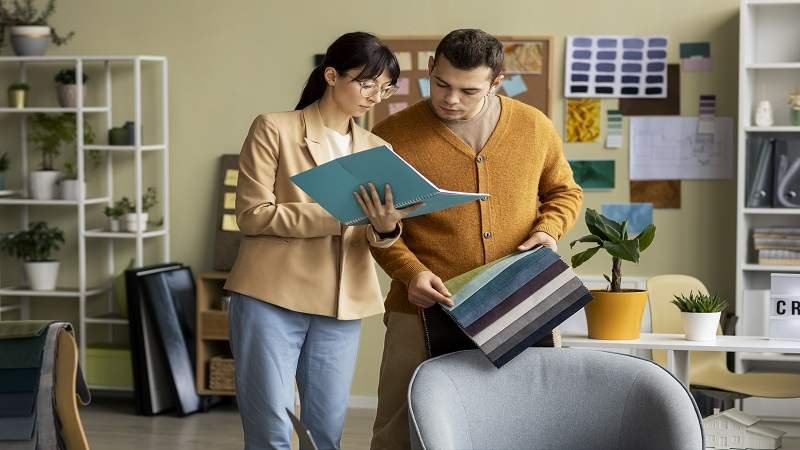
In today’s digital world, homeowners and design enthusiasts frequently search for reliable resources that provide practical decorating ideas, renovation strategies, and home improvement inspiration. One platform that has gained attention among readers interested in home design is decoratoradvice .com. Whether you are planning a room makeover, renovating an entire house, or simply looking for decorating inspiration, websites focused on interior design can offer valuable guidance and creative solutions.
This comprehensive guide explores the importance of home design resources, decorating trends, renovation strategies, and how platforms like decoratoradvice .com help homeowners create beautiful and functional living spaces.
Understanding Modern Home Design
Home design is much more than choosing furniture and paint colors. It involves creating a balanced environment that combines comfort, functionality, and visual appeal.
A well-designed home considers:
- Space planning
- Lighting
- Color schemes
- Furniture placement
- Storage solutions
- Lifestyle requirements
Modern homeowners increasingly seek expert advice to help make informed design decisions, which is why design-focused resources continue to grow in popularity.
Why Home Decorating Matters
The appearance of a home can significantly affect daily life. A thoughtfully decorated space improves both functionality and emotional well-being.
Improved Comfort
Well-planned interiors create a more comfortable environment for relaxing, working, and entertaining guests.
Better Organization
Smart storage solutions reduce clutter and improve efficiency.
Increased Property Value
Attractive and updated interiors can boost resale value and buyer appeal.
Personal Expression
Home decorating allows individuals to express their personality and style preferences.
Many homeowners turn to decoratoradvice .com for inspiration when seeking practical ways to improve their living spaces.
Key Principles of Interior Design
Successful interior design relies on several fundamental principles.
Balance
Balance creates visual stability by distributing furniture, colors, and decorative elements evenly throughout a room.
Harmony
All design elements should work together to create a cohesive appearance.
Contrast
Contrasting textures, colors, and materials add visual interest and depth.
Proportion
Furniture and décor should be appropriately sized for the room.
Functionality
A beautiful room should also be practical and comfortable for daily use.
Applying these principles can dramatically improve the overall quality of any interior space.
Popular Interior Design Styles
Different homeowners prefer different design aesthetics. Understanding popular styles can help you choose a direction for your decorating project.
Modern Style
Characteristics include:
- Clean lines
- Minimal clutter
- Neutral color palettes
- Open layouts
Contemporary Style
This style reflects current design trends and often incorporates innovative materials and technology.
Traditional Style
Traditional interiors feature:
- Rich wood finishes
- Elegant furnishings
- Classic architectural details
Scandinavian Style
Known for:
- Simplicity
- Natural materials
- Functional design
- Bright interiors
Industrial Style
Features include:
- Exposed brick
- Metal accents
- Open spaces
- Raw materials
Many decorating guides featured on decoratoradvice .com discuss these styles and provide ideas for incorporating them into modern homes.
Choosing the Right Color Palette
Color plays a critical role in interior design.
Neutral Colors
Popular options include:
- White
- Beige
- Gray
- Cream
These colors provide flexibility and timeless appeal.
Bold Accent Colors
Accent colors can add personality and energy to a room.
Popular choices include:
- Navy blue
- Emerald green
- Mustard yellow
- Terracotta
Psychological Effects of Color
Different colors influence mood:
- Blue promotes calmness
- Green creates balance
- Yellow encourages energy
- Gray provides sophistication
Selecting the right color palette helps establish the desired atmosphere within a space.
Furniture Selection Tips
Furniture serves as both a functional and decorative element.
Prioritize Comfort
Choose pieces that support daily activities and relaxation.
Measure Carefully
Always measure rooms before purchasing furniture to ensure proper fit.
Focus on Quality
Well-built furniture often lasts longer and provides better value over time.
Maintain Style Consistency
Furniture should complement the overall design theme of the home.
Thoughtful furniture selection creates a more cohesive and attractive interior.
Lighting Design Strategies
Lighting can dramatically affect how a room looks and feels.
Ambient Lighting
Provides general illumination for the entire room.
Task Lighting
Supports specific activities such as reading, cooking, or working.
Accent Lighting
Highlights artwork, architectural features, or decorative elements.
Natural Light
Maximizing natural light can make spaces feel larger and more inviting.
Design experts frequently emphasize lighting as one of the most important aspects of successful interior design.
Home Renovation Ideas
Home renovation projects can refresh outdated spaces and improve functionality.
Kitchen Renovations
Popular upgrades include:
- New cabinetry
- Modern countertops
- Energy-efficient appliances
- Improved lighting
Bathroom Remodeling
Common improvements include:
- Walk-in showers
- Updated vanities
- Smart mirrors
- Luxury fixtures
Living Room Updates
Enhancements may involve:
- New flooring
- Feature walls
- Built-in storage
- Updated furniture
These renovation strategies often appear in articles published by decoratoradvice .com and similar home improvement platforms.
Smart Home Integration
Technology has become a major component of modern home design.
Smart Lighting
Allows remote control and energy management.
Smart Security Systems
Provide real-time monitoring and enhanced protection.
Smart Thermostats
Improve comfort while reducing energy costs.
Voice-Controlled Devices
Offer convenient control of various household systems.
Smart home features continue to grow in popularity as homeowners seek greater convenience and efficiency.
Storage and Organization Solutions
Effective storage helps maintain clean and organized interiors.
Built-In Cabinets
Maximize available space while maintaining a polished appearance.
Multi-Functional Furniture
Examples include:
- Storage ottomans
- Convertible sofas
- Expandable dining tables
Vertical Storage
Wall-mounted shelves and cabinets help utilize unused space.
Good organization contributes to both functionality and visual appeal.
Outdoor Living Spaces
Outdoor areas have become increasingly important in modern home design.
Patio Enhancements
Popular additions include:
- Comfortable seating
- Outdoor rugs
- Decorative lighting
Landscaping Improvements
Well-designed landscaping improves curb appeal and property value.
Outdoor Kitchens
These spaces provide additional entertaining opportunities and convenience.
Extending design principles outdoors creates a more cohesive overall property.
Budget-Friendly Decorating Tips
Creating a beautiful home does not always require a large budget.
Repaint Existing Furniture
A fresh coat of paint can completely transform older pieces.
Use Decorative Accessories
Affordable décor items include:
- Throw pillows
- Rugs
- Artwork
- Plants
Focus on High-Impact Areas
Prioritize improvements in the rooms used most frequently.
Small updates often create significant visual improvements without major expenses.
Common Decorating Mistakes to Avoid
Many homeowners make similar design mistakes.
Overcrowding Rooms
Too much furniture can make spaces feel cramped.
Ignoring Lighting
Poor lighting reduces functionality and ambiance.
Following Trends Blindly
Choose designs that fit your personal style rather than temporary trends.
Neglecting Functionality
Beautiful spaces should remain practical for daily living.
Avoiding these mistakes leads to more successful decorating outcomes.
Future Home Design Trends
Several emerging trends are shaping the future of home interiors.
Sustainable Design
Eco-friendly materials continue gaining popularity.
Multifunctional Spaces
Rooms increasingly serve multiple purposes.
Smart Home Technology
Connected devices are becoming standard features in modern homes.
Wellness-Focused Design
Homeowners are prioritizing health, comfort, and relaxation.
These trends are expected to influence home design for years to come.
Conclusion
Home design and renovation involve much more than aesthetics. They require thoughtful planning, practical solutions, and a clear understanding of how people use their living spaces. Resources such as decoratoradvice .com provide homeowners with valuable inspiration, decorating strategies, renovation ideas, and design guidance.
Whether you’re updating a single room, renovating an entire property, or exploring the latest interior design trends, careful planning can help you create a home that is both beautiful and functional. By applying the principles discussed in this guide and utilizing insights from platforms like decoratoradvice .com, homeowners can confidently transform their living spaces into environments that support comfort, style, and long-term value.
As home design continues evolving, staying informed about new ideas and proven decorating practices will help ensure successful and rewarding results for every project.